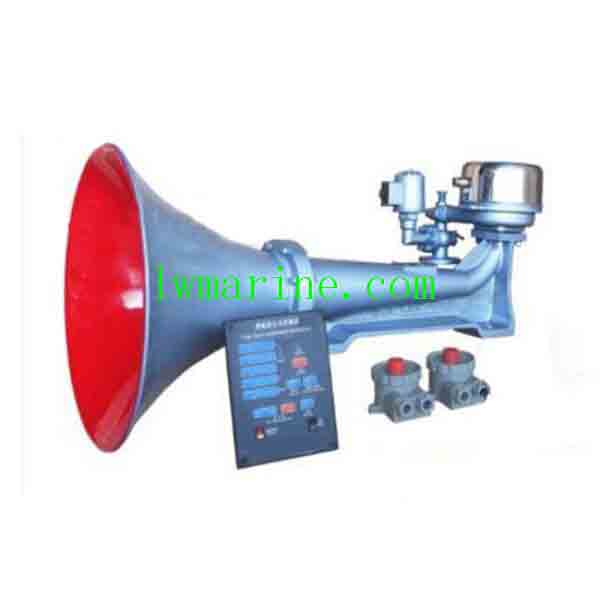
Marine Navigational Whistle – Advanced Safety Sound Signaling for Marine Vessels
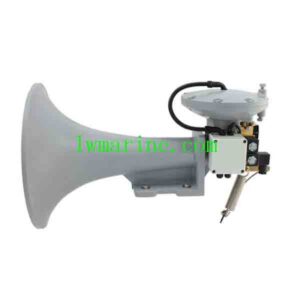
The Marine Navigational Whistle is an indispensable safety device on ships, playing a crucial role in ensuring clear and effective communication between vessels and shore-based facilities. Typically mounted on the ship’s deck, this air horn comprises a compressor, a reservoir tank, a set of valves, and a horn. The compressor pumps air into the reservoir tank, which powers the horn, while the valves regulate the airflow, enabling the horn to emit sounds of specific pitches and durations. The automatic control feature allows the air horn to be activated remotely, either via a button on the ship’s bridge or a pre-programmed timer, ensuring it sounds at regular intervals, such as during port entry or exit, or in emergencies. The sound produced is a series of short, sharp blasts of varying durations and pitches, with each blast lasting between 2 and 6 seconds. These specific blast patterns convey different messages, such as warnings to other vessels to maintain distance or requests for assistance.
Product Characteristic:
- Compressed Air-Driven Diaphragm: Utilizes compressed air to drive the diaphragm, creating vibrations that emit a whistle.
- Automatic Controller: Automatically controls the whistle’s operation, ensuring timely and accurate sound signaling.
- Remote Activation: Can be activated remotely, enhancing convenience and safety during operations.
- Customizable Blast Patterns: Allows for the customization of blast patterns to convey specific messages effectively.
Product Specification:
| Type | Voltage (AC/DC) | Nominal Diameter (mm) | Air Pressure (MPa) | Audible Distance (nautical miles) | Center Frequency (Hz) | Applicable Ship Length (m) | Air Consumption (m³/min) | Weight (kg) |
|---|---|---|---|---|---|---|---|---|
| WKD-Ⅰ | AC110/AC220/DC110/DC220/DC24V | 25 | 0.7-1.0 | 1.0 | ≥130 | ≥20<75 | ≤8.3×10^-3 | 45 |
| WKD-Ⅱ | AC110/AC220/DC24V | 25 | 0.7-1.0 | 1.5 | ≥138 | ≥75<200 | ≤8.3×10^-3 | 75 |
| WK-Ⅲ | AC110/AC220/DC24V | 25 | 0.7-1.0 | 2.0 | ≥143 | ≥200 | ≤10×10^-3 | 120 |
Maintenance of Marine Navigational Whistle:
- Inspection: Regularly inspect the air horn for signs of wear and damage, including checking hoses, valves, and the horn itself for cracks or other damage, and ensuring all components are securely fastened.
- Cleaning: Keep the air horn clean and free of debris, which can affect its performance. Use a soft brush or cloth to remove dirt or grime from the horn and its components.
- Lubrication: Lubricate the valves and other moving parts regularly to ensure smooth operation. Use a silicone-based lubricant compatible with the materials used in the horn.
- Testing: Test the air horn regularly to ensure it functions properly. Sound the horn and check the sound level and pattern. Address any issues immediately.
- Replacement: Promptly replace any damaged or worn-out components, including hoses, valves, and the horn itself.
FAQs:
- Q: What is the primary function of the Marine Navigational Whistle?
- A: The primary function of the Marine Automatic Control Air Horn is to ensure clear and effective communication between ships and shore-based facilities by emitting loud, distinct sounds at specific intervals or in emergencies.
- Q: How does the automatic control feature work in the Marine Navigational Whistle?
- A: The automatic control feature allows the air horn to be activated remotely, either via a button on the ship’s bridge or a pre-programmed timer, ensuring timely and accurate sound signaling without manual intervention.
- Q: Can the blast patterns of the Marine Navigational Whistle be customized?
- A: Yes, the blast patterns of the Marine Automatic Control Air Horn can be customized to convey specific messages effectively, such as warnings or requests for assistance.
- Q: What maintenance tasks are required for the Marine Navigational Whistle?
- A: Regular inspection, cleaning, lubrication, testing, and replacement of damaged components are essential maintenance tasks for the Marine Automatic Control Air Horn to ensure its optimal performance and longevity.
- Q: How does the Marine Navigational Whistle contribute to maritime safety?
- A: The Marine Automatic Control Air Horn enhances maritime safety by providing a reliable means of communication between vessels and shore-based facilities, especially in emergencies or when visibility is poor, helping to prevent collisions and ensure safe navigation.
Please Note: The description might be incorrect, please contact us for confirmation.
Tag: Our other products
Click here to send inquiry via whatsapp