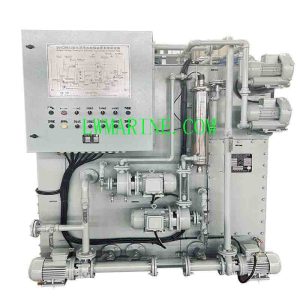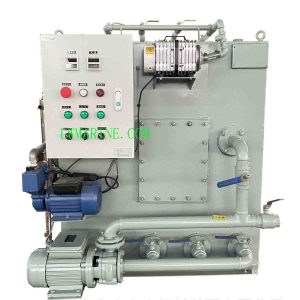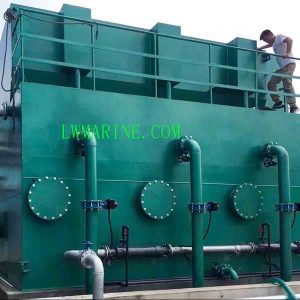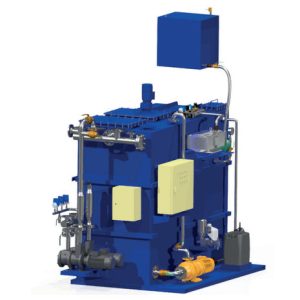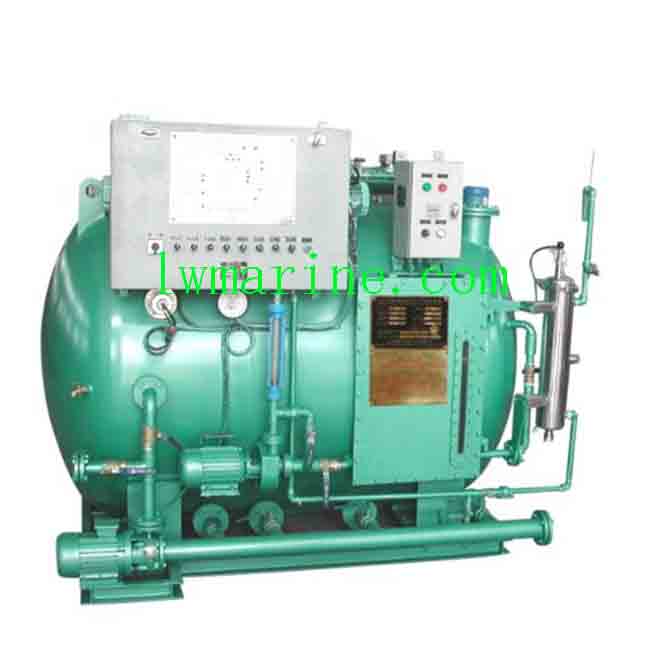
100-Person Marine Wastewater Treatment Equipment System
Ensure full compliance with the latest international maritime environmental regulations with our 100-person marine sewage treatment equipment plant, a high-capacity, yet space-saving system engineered to provide reliable wastewater processing for larger yachts, fishing vessels, and small to medium-sized commercial ships.
This IMO-certified sewage treatment system is designed to effectively treat both black water (toilet and sanitary waste) and gray water (galley, shower, and sink drainage) simultaneously. It is manufactured to meet the stringent requirements of IMO Resolution MEPC 227(64) , the current global standard for marine sanitation devices. By delivering high-quality effluent, it plays a critical role in protecting marine environments while ensuring your vessel maintains full regulatory compliance.
The system is built around a robust multi-stage treatment process, incorporating advanced technologies such as biological treatment, membrane filtration, and disinfection to ensure that discharged water meets or exceeds the strict limits for BOD5, COD, TSS, and Coliforms.
Why Choose Our Marine Sewage Treatment Plant?
-
IMO MEPC 227(64) Compliant: Designed and tested to meet the latest and most stringent IMO standards, ensuring your vessel is prepared for inspections in any port.
-
Comprehensive Wastewater Treatment: Effectively processes both black water and gray water in a single, integrated unit.
-
Space-Saving Design: Engineered for a compact footprint, making it suitable for retrofits and newbuilds where engine room space is at a premium.
-
High Capacity: Rated for up to 100 persons, ideal for passenger vessels, large yachts, research ships, and small commercial fleets with significant crew complements.
-
Advanced Treatment Technology: Incorporates multi-stage processes (including biological, membrane, and disinfection) to ensure superior effluent quality.
Why Choose Chinese Suppliers for Sewage Treatment Equipment?
Chinese suppliers have become global leaders in manufacturing high-quality, cost-effective sewage treatment solutions. Our equipment embodies these strengths:
-
Advanced Technology Integration: We utilize proven technologies, including membrane bioreactors (MBR), real-time monitoring sensors, and automated control systems that adjust treatment parameters automatically to ensure continuous compliance.
-
Robust & Durable Construction: Our systems are built with corrosion-resistant materials like stainless steel to handle the harsh marine environment and aggressive sludges, ensuring a long service life.
-
Customization & Adaptability: We understand that every vessel is unique. We offer the ability to customize pump capacities, filter materials, and system configurations to match your specific water volume and contaminant load.
-
Cost-Effective Solutions: By leveraging efficient manufacturing and a deep supply chain, we offer high-performance effluent treatment machine equipment at competitive prices without compromising on quality or durability.
Treatment Capacity (for 100-Person Model)
The system is engineered to handle the combined load from both black water and gray water sources.
| Parameter | Black Water | Gray Water | Combined Total |
|---|---|---|---|
| Daily Load | 6,020 L | 13,760 L | 19,780 L/day |
| Peak Flow | 753 L/h | 1,032 L/h | 1,785 L/h |
| Organic Load (BOD5) | 5.074 kg/day | ||
| Nutrient Removal (Total Nitrogen) | 0.946 kg/day | ||
| Nutrient Removal (Total Phosphorus) | 0.1204 kg/day |
Key Treatment Technologies Used
Our marine sewage treatment equipment integrates several key technologies to ensure reliable performance:
-
Water Process Equipment: The foundation of the system, including robust pumps, valves, screens, and aeration equipment that move water through the treatment stages (screening, sedimentation, aeration) smoothly and efficiently.
-
Membrane Bioreactor (MBR) Filtration: This advanced effluent treatment machine uses fine membranes to physically separate solids, bacteria, and pathogens from the treated water, producing crystal-clear effluent.
-
Disinfection System: Final treatment often includes UV disinfection to kill any remaining harmful bacteria without the use of chemicals.
-
Filter Press Equipment: For efficient sludge management, integrated filter press equipment uses pressure to dewater sludge, turning it into dry, manageable cakes that are easier to store and dispose of.
Frequently Asked Questions (FAQ)
1. What is IMO MEPC 227(64) and why is it important?
MEPC 227(64) is a resolution adopted by the IMO’s Marine Environment Protection Committee that sets the current international performance standards for marine sewage treatment plants. It specifies strict limits for pollutants in treated effluent, including BOD5, COD, TSS, nitrogen, phosphorus, and coliform bacteria. Compliance with this standard is mandatory for vessels operating internationally to ensure they do not pollute the sea. All equipment installed on or after January 1, 2016, must meet this standard.
2. What is the difference between black water and gray water?
-
Black Water: This is wastewater from toilets and urinals, containing human body wastes. It has a high concentration of organic matter and pathogens.
-
Gray Water: This is wastewater from galleys (kitchens), showers, washbasins, and laundries. It contains soaps, detergents, food particles, and grease. Modern sewage treatment machines are designed to treat both types simultaneously.
3. What does “100-person” capacity mean?
The “100-person” rating indicates the system is designed to handle the average daily wastewater load generated by 100 people on board. This includes all black water and gray water from normal activities. This rating is a standard industry measure for sizing treatment plants.
4. What is an MBR (Membrane Bioreactor) and why is it used?
An MBR (Membrane Bioreactor) combines biological treatment with membrane filtration. Instead of relying on a traditional settling tank to separate solids, the MBR uses fine membranes (with pores as small as 0.1μm) to physically filter out all suspended solids, bacteria, and even some viruses. This results in a much higher quality effluent (crystal clear) and a much smaller system footprint compared to conventional biological treatment plants.
5. What happens to the sludge produced by the treatment process?
The treatment process produces a byproduct called sludge (excess biomass and solid waste). Our systems can be integrated with filter press equipment to manage this sludge. A filter press uses high pressure to squeeze water out of the sludge, turning it into dry, solid “cakes.” These cakes are much easier and less expensive to store onboard and dispose of in port reception facilities compared to liquid sludge.
6. What certifications does this equipment have?
Our 100-person marine sewage treatment equipment plant is designed and manufactured to meet the requirements of IMO MEPC 227(64) . We can supply the unit with certification from major classification societies (such as ABS, BV, DNV, LR, CCS, RINA) upon request, ensuring it meets the specific requirements for your vessel’s flag state and class.
Attention please: The description was copied from different cooperating manufacturers. The description may be different with the goods, please check with us when order.
Tag: Our other products
Click here to contact us via whatsapp