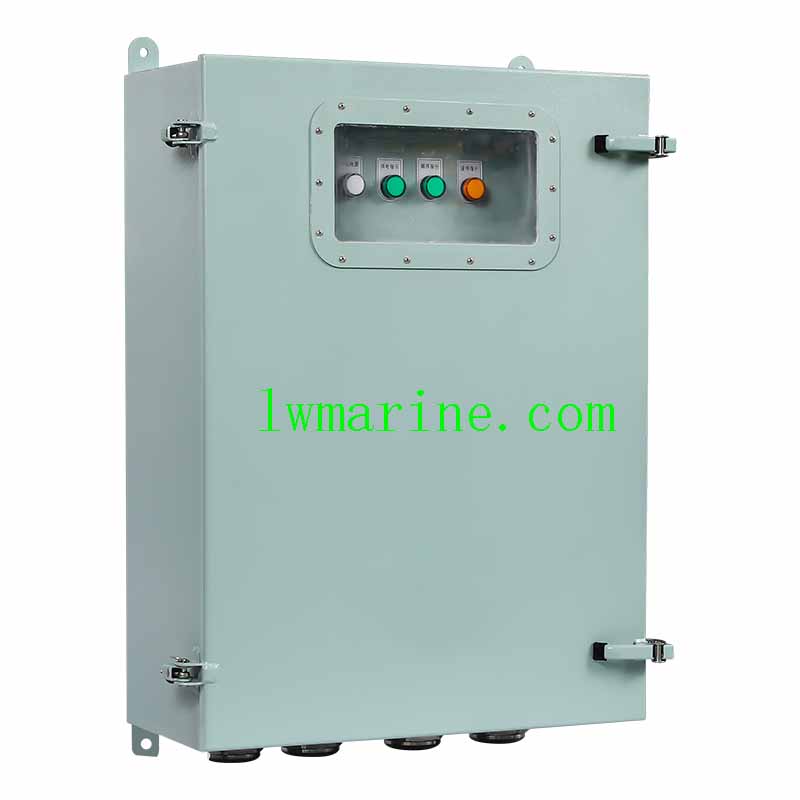
Shore – to – Ship Device Power Transfer
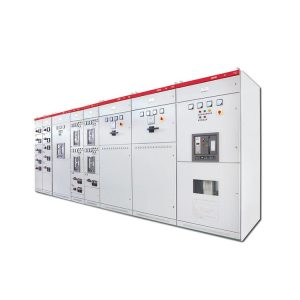
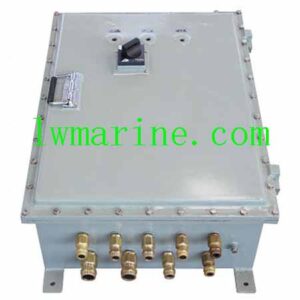
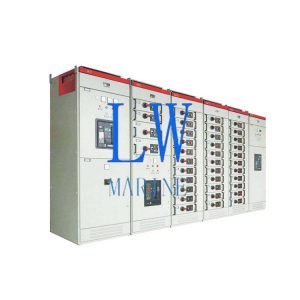
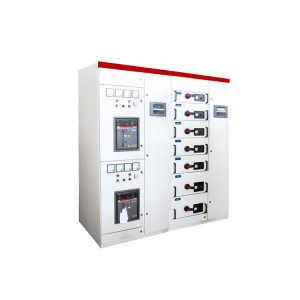
In the realm of modern port operations, ensuring a seamless and efficient transfer of electrical power device from the Shore to Ship is of paramount importance. Our Shore – to – Ship Power Transfer Device stands as a cutting – edge solution, meticulously engineered to facilitate a secure and highly effective power transfer process. This system is a game – changer for ports aiming to enhance energy efficiency, reduce environmental impact, and streamline overall operations.
System Introduction
Our state – of – the – art Shore – to – Ship Power Transfer Device is designed to transfer electrical power from the dockside infrastructure to vessels moored at the berth in a smooth and uninterrupted manner. It incorporates intelligent voltage regulation and phase management features, which are crucial for a reliable power transition. By enabling vessels to switch from on – board generators to shore – based power sources, this system plays a vital role in promoting sustainable port operations and reducing carbon emissions.
Key Functional Features
Dual – Mode Operation for Unparalleled Flexibility
- Automatic Voltage Compensation: This advanced feature automatically adjusts the voltage to counteract any fluctuations in the input power. It ensures a stable and consistent power supply to the vessel, eliminating the need for frequent manual interventions. This not only enhances operational convenience but also reduces the risk of human error. For example, in areas with unstable grid power, the system can quickly adapt and maintain a steady voltage, protecting the vessel’s electrical equipment.
- Manual Override Control: In scenarios where specific operational requirements arise or unexpected events occur, operators have the ability to take manual control of the system. This provides a high level of flexibility, allowing for precise adjustments to be made as needed. Whether it’s a sudden change in the vessel’s power demand or a technical issue with the automatic system, manual override ensures continuous and safe power transfer.
Advanced Power Management Capabilities for Optimal Utilization
- Direct Power Transmission to Vessel Systems: Our device can directly transfer power to various systems on the vessel, such as lighting, ventilation, and other electrical equipment. This enables these systems to operate normally without relying on the vessel’s own generators, reducing fuel consumption and noise pollution. For instance, during long – term berthing, the vessel can rely entirely on shore – based power for non – critical systems, leading to significant cost savings.
- Cross – Vessel Power Distribution Capability: It has the ability to distribute power among different sections or systems within the vessel. This optimizes power utilization and ensures that all critical areas receive the necessary electrical supply. For example, in a large cruise ship with multiple decks and complex electrical systems, the device can evenly distribute power to different zones, preventing power shortages in any particular area.
- Automatic Phase Sequence Correction: Incorrect phase connections can cause severe damage to electrical equipment on the vessel. Our system automatically corrects the phase sequence of the power supply, eliminating this risk. This feature is especially important when connecting to different dockside power sources, as the phase sequence may vary.
Control Options for Enhanced Operational Efficiency
- Local Panel Operation: Operators can control the system directly from a local control panel located near the transfer equipment. This provides easy access for on – site monitoring and adjustment of the power transfer process. For example, during the initial connection of the vessel to the shore – based power, operators can use the local panel to fine – tune the settings and ensure a smooth transition.
- Remote Control via Shore – Vessel Interface Box: For added convenience and flexibility, the system can be remotely controlled through a shore – vessel interface box. This allows operators to manage the power transfer from a central location, such as a port control room. It improves overall operational efficiency, especially in large ports with multiple berths, as operators can monitor and control multiple power transfer devices simultaneously.
- Status Monitoring Contacts (NO Passive): The system is equipped with status monitoring contacts that provide real – time information about its operation. These passive contacts can be connected to monitoring systems to alert operators of any changes or issues. For example, if there is a sudden drop in voltage or an overload condition, the monitoring system will receive an alert, enabling quick response and troubleshooting.
Protection & Monitoring Functions for Safe and Reliable Operation
- Input/Output Voltage Monitoring (High/Low): The system continuously monitors both the input and output voltages, detecting any high or low voltage conditions. This helps to prevent damage to the vessel’s electrical systems and ensures the safe operation of the power transfer process. For example, if the input voltage exceeds the safe range, the system will automatically take corrective action, such as reducing the power transfer or shutting down temporarily.
- Overload Protection: In the event of an overload, the system automatically cuts off the power supply to prevent damage to the equipment and ensure the safety of the operation. This is a crucial feature, as overloads can cause overheating and potential fires in electrical systems.
- System Fault Alerts: The system is designed to generate alerts when any faults or malfunctions occur. These alerts can be visual, audible, or transmitted to a remote monitoring system. This enables quick response and troubleshooting, minimizing downtime and ensuring the continuous availability of power to the vessel.
- Extended Alarm Contacts: In addition to the basic fault alerts, the system provides extended alarm contacts that can be used to integrate with other safety or monitoring systems in the port or on the vessel. This creates a comprehensive safety network, enhancing the overall security of the power transfer process.
Shore to Ship Device Performance Parameters
| Parameter | Specification |
|---|---|
| Input Voltage Range | 315V – 456V AC, allowing for a wide range of input power sources and ensuring compatibility with different dockside electrical systems. This wide range makes our device suitable for ports with varying power infrastructure, reducing the need for additional power conversion equipment. |
| Rated Frequency | 50Hz (±2%), maintaining a stable frequency to ensure the proper operation of electrical equipment on the vessel. Fluctuations in frequency can cause malfunctions in sensitive electrical devices, and our system’s strict frequency control prevents such issues. |
| Response Rate | >20V/ms, enabling the system to quickly respond to voltage changes and maintain a stable power supply. In dynamic port environments where voltage fluctuations can occur frequently, a fast response rate is essential for reliable power transfer. |
| Protection Rating | IP56 (Drip – proof from top), protecting the system from dust and water ingress, ensuring reliable operation in various weather conditions at the port. Ports are often exposed to harsh weather, including rain and dust storms, and our device’s high protection rating guarantees its long – term performance. |
| Duty Cycle | Continuous operation, allowing the system to provide power to the vessel without interruption for extended periods. This is crucial for vessels that need to remain berthed for long durations, such as cargo ships during loading and unloading operations. |
| Output Voltage | 390V AC (±3%), delivering a stable and consistent output voltage to meet the electrical requirements of the vessel. Different vessels may have different voltage requirements, and our device’s precise output voltage control ensures compatibility. |
| Total Harmonic Distortion | ≤0.1%, minimizing the impact of harmonic distortion on the vessel’s electrical systems, ensuring high – quality power supply. Harmonic distortion can cause overheating and reduced efficiency in electrical equipment, and our low – distortion output protects the vessel’s systems. |
| System Efficiency | 98.5% (1.5% rated capacity loss), indicating a highly efficient power transfer process that reduces energy waste and operating costs. In an era of increasing energy costs and environmental awareness, our high – efficiency device helps ports and vessels save money and reduce their carbon footprint. |
Frequently Asked Questions (FAQs)
Q1: How does the automatic voltage compensation feature work in the Shore – to – Ship Power Transfer Device?
A1: The automatic voltage compensation feature continuously monitors the input voltage. When it detects any fluctuations, it automatically adjusts the output voltage to maintain a stable and consistent supply to the vessel. This is achieved through sophisticated voltage regulation circuits within the device, which can quickly respond to changes in the input power.
Q2: Can the Shore – to – Ship Power Transfer Device be used with different types of vessels?
A2: Yes, our device is designed to be compatible with a wide range of vessels. Its adjustable output voltage and ability to distribute power among different systems make it suitable for various vessel types, including cargo ships, cruise ships, and tankers. Additionally, its wide input voltage range ensures compatibility with different dockside electrical systems.
Q3: What happens if there is a power outage at the dockside during the power transfer process?
A3: In the event of a power outage at the dockside, our device has built – in protection mechanisms. It will automatically detect the loss of input power and take appropriate action, such as shutting down the power transfer to prevent damage to the vessel’s electrical systems. Once the power is restored, the device can be easily restarted and the power transfer process can resume.
Q4: How often does the Shore – to – Ship Power Transfer Device require maintenance?
A4: The maintenance frequency of our device depends on various factors, such as the operating environment and usage intensity. However, we recommend regular inspections and maintenance checks to ensure optimal performance. Typically, a basic inspection can be carried out every few months, and a more comprehensive maintenance service can be performed annually. Our technical team can provide detailed maintenance guidelines based on your specific requirements.
Q5: Can the remote control function of the device be customized according to the port’s needs?
A5: Yes, the remote control function of our Shore – to – Ship Power Transfer Device can be customized to meet the specific needs of the port. We can integrate the device with the port’s existing monitoring and control systems, allowing for seamless operation and centralized management. Our technical team can work closely with you to develop a customized remote control solution that suits your port’s infrastructure and operational requirements.
Attention please: The description was copied from different cooperating manufacturers. The description may be different with the goods, please check with us when order.
Tag: Our other products
Click here to contact us via whatsapp