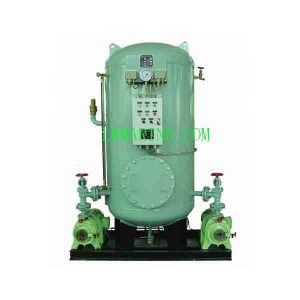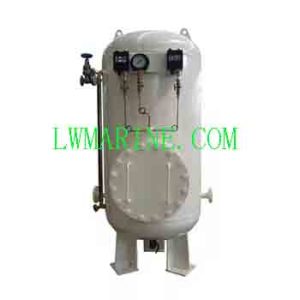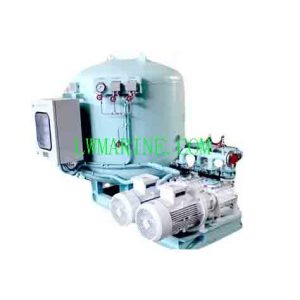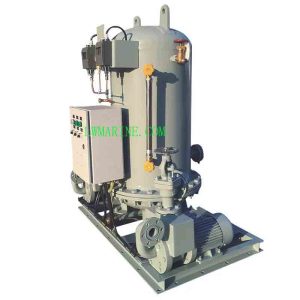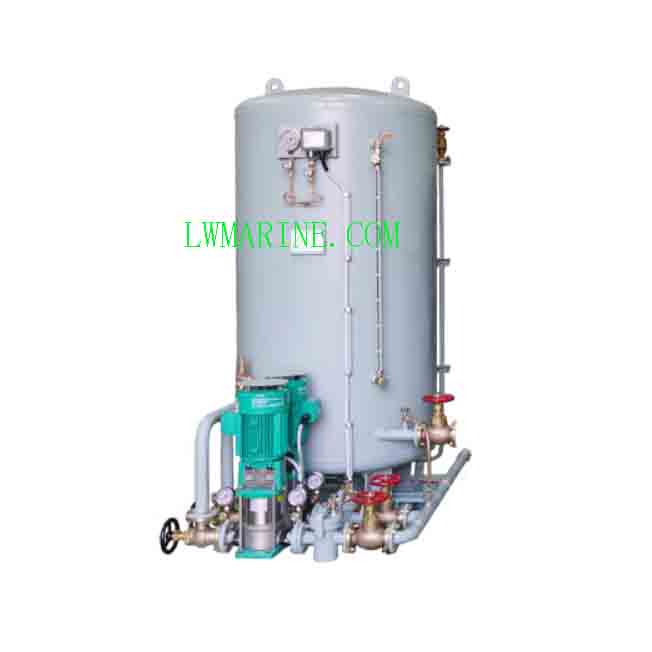
Ship Pressure Water Tank
On the vast and boundless ocean, the safe and stable operation of a vessel is paramount. Every system onboard must perform flawlessly, especially those critical to crew welfare and machinery operation. As a professional supplier of marine equipment, we understand these demands and proudly introduce our Marine Pressure Water Tank—a key component engineered to guarantee the reliability and efficiency of your ship’s water supply system.
The quality of a ship’s hydrophore system directly impacts the normal operation of the vessel and the quality of life for the crew. Our marine pressure tank is designed and manufactured to the highest standards, utilizing advanced technology and premium materials to withstand the unique challenges of the marine environment. Every unit undergoes rigorous quality testing and practical application validation to ensure decades of dependable service.
Uncompromising Performance in Demanding Conditions
Whether you are navigating through rough sea conditions or managing fluctuating loads due to pump demand, our tank’s unique pressure regulation system ensures stable water pressure at all times. It automatically compensates for changes, providing a continuous and stable water flow to every tap, shower, and machinery inlet. The sturdy and durable tank construction, built from robust metal alloys with advanced corrosion protection, resists the corrosive attack of salt spray and the constant vibration of the engine room, guaranteeing a long operational lifespan.
Working Principle: Compressed Air Technology
The marine pressure water tank operates on a simple yet highly effective principle using compressed air.
-
Storage & Pressurization: The tank stores a reserve volume of water, which can be either freshwater or seawater. An air compressor injects compressed air into the tank above the water level.
-
Energy Cushion: This compressed air acts as a cushion or energy reservoir. When a valve is opened, the pressure of the compressed air forces water out of the tank and through the piping system without the pump needing to run.
-
Automatic Cycling: As water is used, the air expands and the pressure drops. A pressure sensor monitors this in real-time. When the pressure reaches a lower set point, the system triggers the pump to start, refilling the tank and re-pressurizing the air until the upper pressure limit is reached, at which point the pump stops. This cycle ensures a constant, steady pressure and prevents the pump from short-cycling.
Structural Components
Our Marine Pressure Water Tanks are precision-engineered assemblies consisting of high-quality, durable components:
-
Tank Body: Constructed from high-strength metal materials (carbon steel or stainless steel) with protective coatings to withstand internal pressure and external marine corrosion.
-
Water Level Sensor: Continuously monitors the water level inside the tank. If the level drops too low, it can trigger a replenishment operation or alarm.
-
Pressure Sensor: Provides real-time monitoring of the tank’s internal pressure, sending signals to the control system to start or stop the pump, ensuring operation remains within the set parameters.
-
Air Compressor (or Connection): Provides the source of compressed air to maintain the system’s pressure cushion.
-
Safety Valve: A critical safety device that automatically releases pressure if it exceeds the maximum design limit, protecting the tank and piping from over-pressurization.
-
Inlet & Outlet Valves: For controlling the flow of water into and out of the tank.
Main Functions & Applications
The marine pressure tank is a versatile component, providing a stable, pressurized water source for multiple critical shipboard systems:
-
Sanitary & Potable Water Systems: Provides pressurized, consistent water flow for crew washing, showering, galley use, and laundry facilities, ensuring hygiene and comfort.
-
Engine Cooling Systems: Supplies a steady reserve of cooling water for the main engine, auxiliary engines, and other heat exchangers, ensuring efficient operation.
-
Fire Protection Systems: Maintains a pressurized reserve of water in the fire line, ensuring that water is instantly available with sufficient pressure for emergency firefighting operations.
-
Deck Washing & General Service: Provides pressurized seawater for washing down decks, cleaning equipment, and other general maintenance tasks.
Key Advantages
-
✅ Stable Pressure Output: Delivers water at a consistent, pre-set pressure, automatically adapting to varying flow demands and eliminating pressure fluctuations.
-
✅ Automatic Operation: Through integrated pressure and level sensors, the system achieves fully automatic water replenishment and pressure maintenance, significantly reducing the need for manual intervention.
-
✅ Enhanced Safety & Hygiene: The sealed, pressurized design ensures the stored water remains hygienic and protected from contamination, while safety valves prevent over-pressurization.
-
✅ Reduced Pump Wear: By storing a volume of pressurized water, the system reduces the number of pump start/stop cycles, extending the life of the pump and saving energy.
-
✅ Robust & Durable: Built with corrosion-resistant materials and designed to withstand the vibration, shock, and harsh atmospheric conditions typical of marine service.
Maintenance Guidelines
To ensure long-term, trouble-free operation, regular maintenance is required:
-
Sealing Inspection: Periodically check all tank connections, manholes, and valve glands for leaks. Ensure the tank body’s integrity is maintained.
-
Sensor Cleaning: Clean the water level and pressure sensors regularly to prevent fouling or biological growth that could affect their accuracy and triggering of the automatic system.
-
Air Compressor Maintenance: Maintain the air compressor according to the manufacturer’s schedule, checking oil levels, air filters, and ensuring it can maintain the required system pressure.
-
Safety Valve Testing: Regularly test the safety valve to ensure it is not seized and will open at the correct pressure.
-
Internal Inspection (Dry-dock): During scheduled dry-docking, perform an internal inspection of the tank to check the condition of internal coatings and look for signs of corrosion or sediment buildup.
Frequently Asked Questions (FAQs)
Q1: What is the difference between a marine pressure tank and a simple storage tank?
A: A simple storage tank just holds water. A marine pressure tank (or hydrophore tank) holds water and uses compressed air to keep that water under constant pressure. This allows it to deliver water to fixtures with adequate force without the pump running constantly, providing a much better user experience and protecting the pump.
Q2: Can this tank be used for both freshwater and seawater?
A: Yes. Our tanks are designed for versatility. They can be used for both freshwater (potable) and seawater systems. If used for seawater, we recommend specific material choices (like stainless steel or tanks with enhanced internal epoxy coatings) to provide maximum corrosion resistance. Please specify your intended media when ordering.
Q3: How do I know what size pressure tank my ship needs?
A: The correct tank size depends on your vessel’s water demand (number of crew and passengers), the pump’s flow rate, and the acceptable frequency of pump starts. A tank that is too small will cause the pump to short-cycle, leading to premature wear. A tank that is too large takes up unnecessary space. Our technical team can help you calculate the optimal size based on your specific vessel specifications.
Q4: What is the purpose of the air compressor in the system?
A: The air compressor (or a connection to the ship’s compressed air system) is used to maintain the air cushion inside the tank. Over time, the air can become absorbed into the water, reducing the cushion volume and causing the system pressure to drop faster. Adding air via the compressor restores the correct air-to-water ratio and ensures the system operates efficiently. Some systems use a pre-charged bladder, but our standard design uses a direct air/water interface.
Q5: What regular maintenance is needed for the pressure and level sensors?
A: The main maintenance task is keeping them clean. In seawater systems, the level sensor can become fouled with marine growth. In any system, sediment can accumulate. Periodic visual inspection and gentle cleaning (as per the manual) will ensure they continue to send accurate signals to the control panel, preventing false starts or failures to start.
Q6: Does the tank come with classification society certification (CCS, ABS, DNV, etc.)?
A: Yes. We understand that marine equipment must meet stringent regulatory standards. Our marine pressure water tanks can be manufactured and certified according to the requirements of major classification societies, including CCS, ABS, DNV, LR, BV, and others. Please specify your certification requirements when placing your order.
Attention please: The description was copied from different cooperating manufacturers. The description may be different with the goods, please check with us when order.
Tag: Our other products
Click here to contact us via whatsapp