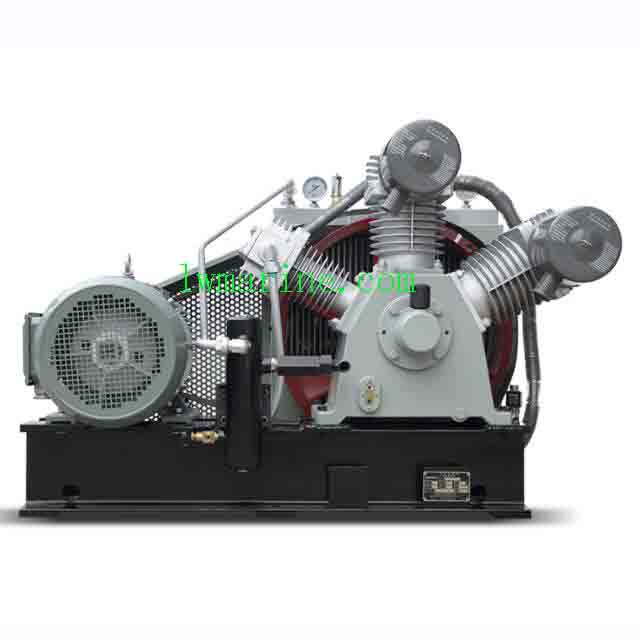
Air Compressor for Marine
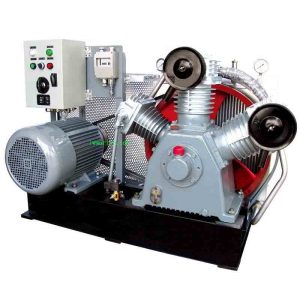
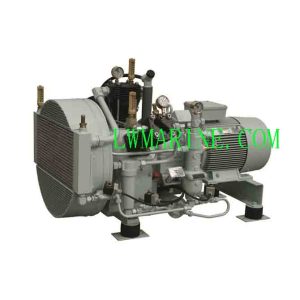
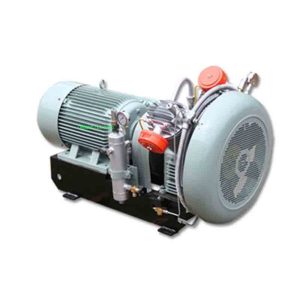
The Marine Air Compressor is a rugged, high-performance machine engineered to deliver dependable compressed air for the full spectrum of essential marine systems. From powering ship whistles and oil/gas stoves to supplying pneumatic controls and auxiliary equipment, this compressor is the workhorse of the modern engine room. With a flexible capacity range and 1.0 MPa operating pressure, it combines energy-efficient operation with durable construction to provide reliable service in the most harsh marine environments.
Designed for the unique demands of the sea, our shipboard air compressor is built to resist the corrosive effects of saltwater spray and constant vibration. Whether you need a compact unit for a small workboat or a high-capacity system for a large commercial vessel, our comprehensive range of models ensures you find the perfect fit for your marine pneumatic systems.
Key Features & Benefits
-
✔ Marine-Grade Durability: Constructed with cast iron and stainless steel components to aggressively resist saltwater corrosion and ensure a long operational lifespan.
-
✔ Energy Efficient Operation: Designed for low power consumption (1.5kW to 90kW) , helping to significantly reduce onboard operating costs without compromising on output.
-
✔ Quiet Performance: Features a low-noise design (<75dB for many models), contributing to crew comfort and a quieter engine room environment.
-
✔ Smart Control System: Equipped with a user-friendly control panel featuring manual/automatic start-stop functionality and unloading relief for safe, efficient, and maintenance-free starting.
-
✔ Easy Maintenance: Engineered with quick-access components and user-friendly controls to minimize downtime during routine service and inspections.
Technical Specifications (50Hz / 380V)
| Model | Capacity (m³/h) | Discharge Pressure (MPa) | Motor Power (kW) | Voltage (V) | Transmission | Cooling Mode | Dimensions (LWH) mm | Weight (kg) |
|---|---|---|---|---|---|---|---|---|
| WP18L | 18 | 3.0 | 5.5 | 380 | Direct Coupling | Air cooling | 845×640×564 | 66 |
| WP25L | 24.5 | 3.0 | 7.5 | 380 | Direct Coupling | Air cooling | 870×640×632 | 67 |
| WP32L | 31.5 | 3.0 | 7.5 | 380 | Direct Coupling | Air cooling | 884×640×632 | 67 |
| WP250L | 225 | 3.0 | 55 | 380 | Direct Coupling | Air cooling | 1617×930×1085 | 924 |
| WP60 | 84 | 3.0 | 18.5 | 380 | Direct Coupling | Water cooling | 1322×671×1051 | 650 |
| WP80L | 80 | 3.0 | 15 | 380 | Direct Coupling | Air cooling | 1310×780×830 | 330 |
| WP100L | 99 | 3.0 | 20 | 380 | Direct Coupling | Air cooling | 1362×880×1007 | 450 |
| WP110 | 91 | 3.0 | 22 | 380 | Direct Coupling | Water cooling | 1425×845×1370 | 970 |
| WP135 | 118 | 3.0 | 30 | 380 | Direct Coupling | Water cooling | 1465×840×1370 | 1000 |
| WP160 | 141 | 3.0 | 30 | 380 | Direct Coupling | Water cooling | 1520×920×1420 | 1010 |
| WP185 | 162 | 3.0 | 37 | 380 | Direct Coupling | Water cooling | 1520×920×1420 | 1000 |
| WP220 | 191 | 3.0 | 45 | 380 | Direct Coupling | Water cooling | 1975×951×1639 | 1400 |
| WP270 | 248 | 3.0 | 55 | 380 | Direct Coupling | Water cooling | 1975×850×1568 | 1400 |
| WP320 | 294 | 3.0 | 63 | 380 | Direct Coupling | Water cooling | 1975×951×1568 | 1400 |
| WP370 | 344 | 3.0 | 75 | 380 | Direct Coupling | Water cooling | 2120×985×1598 | 1400 |
| 1-0.433/60 | 26 | 6.0 | 11 | 380 | Belt Rotation | Water cooling | 1170×700×1220 | 670 |
| CZ-60/30 | 60 | 3.0 | 18.5 | 380 | Direct Coupling | Water cooling | 1500×535×1200 | 900 |
Technical Specifications (60Hz / 440V)
| Model | Capacity (m³/h) | Discharge Pressure (MPa) | Motor Power (kW) | Voltage (V) | Transmission | Cooling Mode | Dimensions (LWH) mm | Weight (kg) |
|---|---|---|---|---|---|---|---|---|
| WP18L | 14.3 | 3.0 | 5.5 | 440 | Direct Coupling | Air cooling | 845×640×564 | 66 |
| WP25L | 20.0 | 3.0 | 7.5 | 440 | Direct Coupling | Air cooling | 870×640×632 | 67 |
| WP32L | 25.0 | 3.0 | 7.5 | 440 | Direct Coupling | Air cooling | 884×640×632 | 67 |
| WP250L | 180 | 3.0 | 55 | 440 | Direct Coupling | Air cooling | 1617×930×1085 | 924 |
| WP60 | 68 | 3.0 | 18.5 | 440 | Direct Coupling | Water cooling | 1282×671×1051 | 650 |
| WP110 | 110 | 3.0 | 30 | 440 | Direct Coupling | Water cooling | 1425×725×1458 | 970 |
| WP135 | 142 | 3.0 | 30 | 440 | Direct Coupling | Water cooling | 1465×725×1458 | 1000 |
| WP160 | 170 | 3.0 | 37 | 440 | Direct Coupling | Water cooling | 1465×840×1458 | 1100 |
| WP185 | 195 | 3.0 | 45 | 440 | Direct Coupling | Water cooling | 1465×840×1458 | 1100 |
| WP220 | 230 | 3.0 | 55 | 440 | Direct Coupling | Water cooling | 1975×910×1639 | 1400 |
| WP270 | 300 | 3.0 | 63 | 440 | Direct Coupling | Water cooling | 1975×910×1638 | 1400 |
| WP320 | 355 | 3.0 | 75 | 440 | Direct Coupling | Water cooling | 2120×910×1598 | 1400 |
| WP370 | 415 | 3.0 | 90 | 440 | Direct Coupling | Water cooling | 2120×910×1598 | 1400 |
Frequently Asked Questions (FAQs)
Q1: What are the primary applications for a marine air compressor on a ship?
A: A marine air compressor is a versatile workhorse. Its primary applications include supplying compressed air for ship whistles and horns for navigation and signaling, atomizing fuel in oil/gas stoves and burners, operating pneumatic controls and automation systems, starting auxiliary engines, and providing general service air for maintenance tasks throughout the vessel.
Q2: What is the difference between air-cooled and water-cooled marine compressors?
A: The choice depends on the installation environment and compressor size. Air-cooled models (like the WP18L, WP25L) use ambient air to dissipate heat and are simpler to install, making them ideal for smaller vessels or spaces with good ventilation. Water-cooled models (like the WP60, WP110) use a continuous flow of seawater or freshwater through a cooling circuit. They are generally used for larger, higher-capacity compressors where air cooling alone is insufficient, and they help contain heat within the engine room.
Q3: How do I choose the right size marine air compressor for my vessel?
A: Selecting the correct size depends on your total air demand. You must calculate the consumption of all connected pneumatic devices—whistles, controls, tools—and consider their duty cycle. The compressor’s capacity (m³/h) must be sufficient to meet this peak demand while allowing the system to recover pressure. For a new vessel, this is typically specified by the naval architect. For retrofits, our technical team can help you calculate your requirements based on your equipment list.
Q4: What does the “unloading relief” feature in the smart control system do?
A: The unloading relief system is a critical feature for compressor longevity and energy efficiency. When the compressor reaches its cut-out pressure and stops, the system vents the trapped air above the piston (or in the discharge line) to atmospheric pressure. This “unloads” the compressor, meaning it can start again against zero back pressure, significantly reducing the starting torque on the motor and preventing electrical overloads.
Q5: Are these compressors certified for use on classed vessels (ABS, DNV, BV, etc.)?
A: Yes, these shipboard air compressors are designed and manufactured to meet the requirements of international classification societies. We can supply units with certification from major bodies including ABS, DNV, BV, LR, CCS, NK, and KR upon request. Please specify your certification needs when ordering to ensure compliance with your vessel’s class requirements.
Q6: What maintenance is required for a marine air compressor in a harsh environment?
A: Routine maintenance is straightforward thanks to the easy-maintenance design. Key tasks include regular checks of the oil level and quality, periodic replacement of the air filter and oil filter, inspection and cleaning of the air intake, and for water-cooled models, checking the cooling water flow and cleaning the strainer. The quick-access components are designed to make these tasks simple, minimizing downtime and ensuring the compressor remains reliable in harsh marine environments.
Attention please: The description was copied from different cooperating manufacturers. The description may be different with the goods, please check with us when order.
Tag: Our other products
Click here to contact us via whatsapp