Marine general-purpose pumps are essential for a wide range of applications, including bilge pumping, ballast water management, freshwater circulation, and firefighting. Proper installation, commissioning, operation, and maintenance are critical to ensuring reliability, efficiency, and longevity in harsh maritime environments. This guide provides detailed best practices, key considerations, and troubleshooting tips for optimizing pump performance.
1. Installation of Marine General-Purpose Pumps
Key Steps
- Foundation & Mounting:
- Ensure a rigid, vibration-resistant foundation to minimize stress on the pump casing.
- Use anti-vibration mounts if the pump operates at high speeds or handles abrasive fluids.
- Alignment:
- Align the pump shaft with the driver (electric motor, diesel engine, or hydraulic motor) using laser alignment tools or dial indicators.
- Misalignment can cause excessive wear, seal leakage, and premature bearing failure.
- Piping & Connections:
- Install suction and discharge pipes with proper supports to avoid stress on the pump flanges.
- Use flexible couplings to accommodate thermal expansion and reduce vibration transmission.
- Ensure all flanges are tightened to the manufacturer’s specified torque to prevent leaks.
- Electrical & Control Systems:
- Follow marine electrical standards (IEC 60092, ABS, DNV) for motor wiring, grounding, and explosion-proof enclosures (if handling flammable liquids).
- Install pressure switches, flow meters, and temperature sensors for automated monitoring.
- Seal & Gasket Installation:
- For mechanical seals, ensure clean installation without contamination (e.g., dust, grease).
- Replace O-rings and gaskets with marine-grade materials (e.g., Viton, PTFE) resistant to seawater and chemicals.
Critical Considerations
- NPSH (Net Positive Suction Head): Ensure sufficient suction head to prevent cavitation, especially in deep-well or high-viscosity applications.
- Corrosion Resistance: Use bronze, stainless steel, or super duplex alloys for seawater or chemical-resistant pumps.
- Priming Requirements: If the pump is not self-priming, install a vacuum priming system or foot valve to prevent dry running.
- Space Constraints: Ensure adequate clearance for maintenance and inspection, especially in compact engine rooms.
2. Commissioning of Marine General-Purpose Pumps
Key Steps
- Pre-Startup Checks:
- Verify all bolts, fasteners, and electrical connections are secure.
- Check lubrication levels in bearings and mechanical seals.
- Fill the pump casing with the correct fluid (if not self-priming).
- Dry Run Test (If Applicable):
- Perform a brief dry run (with manufacturer approval) to confirm rotation direction and mechanical integrity.
- Wet Run Test:
- Gradually open the suction valve and start the pump.
- Slowly open the discharge valve while monitoring pressure, flow, and vibration.
- Check for leaks at seals, flanges, and gaskets.
- Performance Verification:
- Compare actual performance (head, flow, power consumption) with manufacturer curves.
- Adjust VFD (Variable Frequency Drive) settings if the pump operates under variable load conditions.
Critical Considerations
- Avoid Overloading: Do not run the pump against a closed discharge valve for extended periods, as this can cause overheating and seal failure.
- Vibration Analysis: Use portable vibration analyzers to detect misalignment or imbalance during initial operation.
- Thermal Expansion: Account for piping and equipment expansion during the first few hours of operation.
- Flow Direction: Confirm that the pump rotates in the correct direction (usually clockwise when viewed from the motor end).
3. Operation of Marine General-Purpose Pumps
Best Practices
- Start/Stop Procedures:
- Always close the discharge valve before stopping the pump to prevent water hammer.
- Use soft starters or VFDs to reduce inrush current and mechanical stress during startup.
- Monitoring & Control:
- Continuously monitor pressure, flow, temperature, and vibration using sensors or manual checks.
- Implement IoT-enabled predictive maintenance for real-time performance tracking.
- Load Management:
- Avoid operating the pump at less than 30% of its design flow rate to prevent recirculation and impeller damage.
- For variable-speed pumps, maintain a minimum RPM to ensure proper lubrication of mechanical seals.
- Fluid Handling:
- Ensure the pumped fluid is free of debris, sand, or corrosive chemicals that could damage the impeller or casing.
Critical Considerations
- Cavitation Prevention: Maintain sufficient NPSHa by optimizing suction piping and minimizing friction losses.
- Chemical Compatibility: Ensure all wetted parts (casings, impellers, seals) are compatible with the pumped fluid.
- Energy Efficiency: Use VFDs to match pump speed with system demand, reducing power consumption.
- Emergency Shutdown: Install an emergency stop button near the pump for quick shutdown in case of failure.
4. Maintenance of Marine General-Purpose Pumps
Preventive Maintenance Tasks
- Lubrication:
- Change bearing grease or oil according to the manufacturer’s schedule (typically every 500–2,000 operating hours).
- Use marine-grade lubricants resistant to saltwater and extreme temperatures.
- Seal Inspection & Replacement:
- Check mechanical seals for leaks and replace worn faces or O-rings promptly.
- For packed glands, adjust gland pressure to maintain a drip rate of 10–20 drops per minute.
- Impeller & Volute Cleaning:
- Remove debris, scale, or corrosion buildup from the impeller and volute to maintain efficiency.
- Alignment Check:
- Re-align the pump and motor annually or after major repairs to prevent premature wear.
- Electrical System Inspection:
- Check motor windings for insulation resistance (using a megohmmeter).
- Inspect control panels for moisture ingress or corrosion.
Critical Considerations
- Spare Parts Inventory: Maintain a stock of critical spares (e.g., mechanical seal kits, bearings, impellers) to minimize downtime.
- Condition-Based Maintenance: Use vibration analysis, oil analysis, and thermography to detect early signs of wear.
- Documentation: Keep detailed records of maintenance activities, including dates, parts replaced, and observations.
- Safety First: Follow lockout/tagout (LOTO) procedures before performing maintenance to prevent accidental startup.
5. Repair of Marine General-Purpose Pumps
Common Repairs
- Bearing Replacement:
- Use precision bearings rated for marine environments (e.g., SKF, FAG).
- Ensure proper clearance and preload during installation.
- Mechanical Seal Overhaul:
- Inspect seal faces for wear, scoring, or thermal damage.
- Replace springs, O-rings, and mating rings if damaged.
- Impeller Repair:
- Weld cracks or erosion pits using approved materials (e.g., stainless steel electrodes for seawater pumps).
- Balance the impeller after repair to prevent vibration.
- Casing Repair:
- Patch minor leaks using epoxy or welding (consult manufacturer guidelines).
- For severe corrosion, consider casing replacement with a higher-grade alloy.
Critical Considerations
- Root Cause Analysis: Investigate the underlying cause of failure (e.g., cavitation, misalignment, chemical attack) to prevent recurrence.
- Hydrostatic Testing: After major repairs, perform a hydrostatic test to verify casing integrity before reinstallation.
- Certification: Ensure repairs comply with classification society rules (e.g., DNV, ABS, Lloyd’s Register).
- Testing After Repair: Run the pump briefly after repair to check for leaks, vibration, or abnormal noise.
5 Related FAQs
Q1: How often should I perform maintenance on a marine general-purpose pump?
A: Preventive maintenance intervals depend on usage, but typical schedules include:
- Lubrication: Every 500–2,000 hours.
- Seal inspection: Monthly.
- Alignment check: Annually or after repairs.
Q2: What are the signs of cavitation in a marine pump?
A: Symptoms include:
- Unusual noise (rattling or knocking).
- Reduced flow or pressure.
- Erosion or pitting on the impeller.
Q3: Can I use a standard centrifugal pump for bilge pumping applications?
A: Yes, but ensure it is rated for marine use, has a self-priming capability, and is constructed from corrosion-resistant materials (e.g., bronze or stainless steel).
Q4: How do I select the right marine general-purpose pump for my application?
A: Consider:
- Flow rate and head requirements.
- Liquid properties (viscosity, temperature, corrosiveness).
- NPSH available vs. required.
- Compliance with marine standards (IMO, SOLAS, ABS).
Q5: What is the lifespan of a marine general-purpose pump?
A: With proper maintenance, marine pumps can last 10–20 years. Factors affecting lifespan include:
- Operating conditions (continuous vs. intermittent use).
- Maintenance practices.
- Quality of installation and alignment.
By following these guidelines, ship operators can ensure reliable performance, minimize downtime, and extend the service life of marine general-purpose pumps. For further assistance, consult the manufacturer’s manual or engage a certified marine engineer.
Keywords: Marine general-purpose pumps, marine pump installation, marine pump maintenance, marine pump repair, marine pump commissioning, marine pump operation, marine bilge pumps, marine ballast pumps, marine freshwater pumps, marine centrifugal pumps.
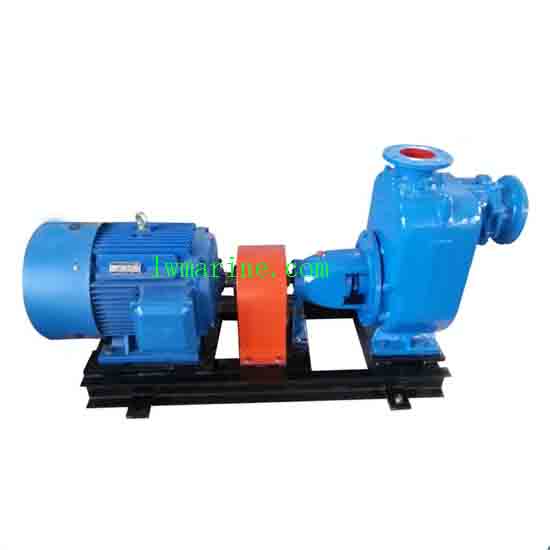
If you need marine pumps, please contact us freely.